Blog
What Is a PSA Test? Benefits, Harms and How to Decide
A PSA test measures prostate-specific antigen in a sample of blood. It can flag possible prostate cancer, but also rises with BPH, infection and other causes, so false alarms are common. The NCI says routine screening of the general population is not recommended. Men and doctors decide together, based on age, risk and values.
Written by the Protoflow label teamUpdated · 4 min read

What it is01
What does the test measure?
The amount of a protein made by prostate cells, in a small blood sample.
The NCI describes PSA as a protein produced by normal and cancerous prostate cells, with levels that tend to rise in cancer but also in other conditions (NCI, PSA Test). A result is given in nanograms per millilitre. There is no single level that separates healthy from not healthy, so doctors look at age, trend and risk.
Benefits02
What are the possible benefits?
Finding a cancer early, before symptoms, when treatment may work better.
Some men have an aggressive cancer that needs treatment, and early detection can help. Large trials of screening have shown mixed results on lives saved, and the benefit, if any, is modest and takes years. That is why it is a shared decision and not a routine for everyone.
Harms03
What are the possible harms?
False alarms, anxiety, biopsies and treatment of cancers that would never have caused harm.
A raised PSA often leads to a biopsy, which carries risks such as bleeding and infection. Treatment such as surgery or radiation can cause erection and bladder problems. Because many prostate cancers grow slowly, some men are treated for disease that would not have harmed them. The NCI covers these trade-offs (NCI, PSA Test).
Never drop a treatment for this. Ask before adding any supplement to a regimen.
At a glance04
What can change a result?
| Factor | Effect |
|---|---|
| BPH | Often raises it |
| Prostate infection or inflammation | Raises it |
| Recent ejaculation or vigorous cycling | May raise it slightly |
| Finasteride or dutasteride | Lowers it; doctors adjust |
| Biopsy or catheter | Raises it for a while |
Who05
Who should think about it?
Men aged 55 to 69 are the group where guidance supports a shared decision, and men at higher risk may start earlier.
Higher risk includes Black men and men with a family history. Men over 70 or with a short life expectancy are usually not advised to be screened. Your doctor can explain how these ideas apply to you. The most important step is to have the conversation before the test, not after.
Questions06
What should you ask before the test?
- What would we do with a raised result?
- Would I want treatment if a slow cancer is found?
- What are my own risk factors?
- Is an MRI an option before a biopsy?
- How often should I repeat it?
Your answers shape the right choice for you.
Preparing07
How should you prepare?
Tell the doctor about all medicines and supplements, and avoid ejaculation and vigorous cycling for a day or two beforehand if advised.
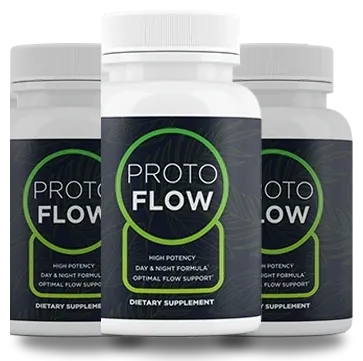
Say if you take finasteride or dutasteride, as they change the reading. Mention herbal products such as saw palmetto or a blend such as Protoflow. We found no evidence that either changes PSA, but disclosure lets the doctor read your result in full context.
After08
What happens after a raised result?
Often a repeat test, an MRI or a visit to a urologist, and sometimes a biopsy.
Do not panic. Many raised results settle on repeat. Do not start supplements in the hope of lowering the number. Ask about the next step, the timing and the risks of each choice, and write down the plan.
Bottom line09
What is the bottom line on PSA?
A useful but imperfect test that works best as a shared decision.
Talk to a doctor before you test, and tell them what you take.
FAQ10
Questions on this topic
Is a PSA test painful?
It is a standard blood draw, with the usual brief sting.
How often should I have a PSA test?
Ask your doctor. The interval depends on age, risk and the previous result.
Can I have a PSA test without a doctor?
Some labs offer it, but results are best read with a clinician who knows your history.
Does a supplement affect PSA?
Most are not known to, but disclose them all, since some products and drugs do change it.
Who wrote this11
Written and reviewed by
Pages built from the label, the sales page and linked NIH, FDA, FTC and peer-reviewed sources.
Last updated . Read our editorial standards and how we check reviews. This website is run by a USA authorized retailer of Protoflow, not by the manufacturer or the label distributor. Buying through our order links earns us money.
Keep reading
More about Protoflow

USA Authorized Retailer
Ready to try Protoflow?
Check your medicines first and get urinary symptoms looked at. Then pick a pack: three or six bottles ship free in the US and cost less per bottle, and every pack carries the 60-day money-back guarantee.
- Secure ClickBank checkout
- 60-day money-back guarantee
- Free US shipping on 3 or 6